




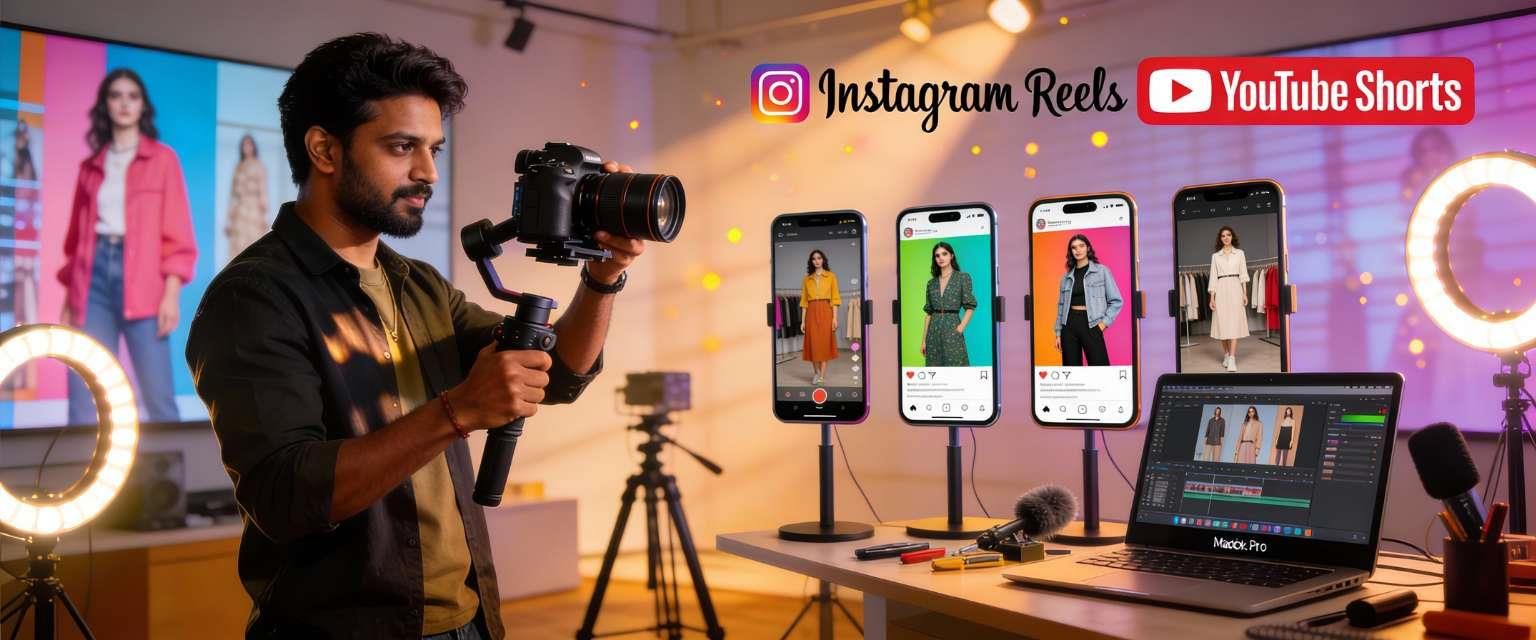
Short-Form Video Strategy for Instagram Reels and YouTube Shorts in 2026
The landscape of digital marketing is undergoing a seismic shift, and short-form video content stands at the epicenter of this transformation. As we move into 2026, Instagram Reels and YouTube Shorts have evolved from experimental features into essential pillars of any comprehensive digital marketing strategy. With algorithms becoming increasingly sophisticated and audience attention spans continuing to shrink, brands and creators must adapt their approach to stay competitive. This comprehensive guide explores cutting-edge strategies, algorithm insights, and powerful tools that will help you dominate short-form video platforms in 2026 and beyond.
The Evolution of Short-Form Video: Why 2026 is Different
Short-form video content has transformed from a trendy novelty into the dominant force shaping social media engagement. According to recent data from Sprout Social, Instagram Reels achieve an impressive 2.46% engagement rate compared to Instagram's overall 2% average, demonstrating the platform's prioritization of this format. Meanwhile, YouTube Shorts continues its meteoric rise, with creators reporting unprecedented growth rates when implementing strategic content approaches.
The year 2026 marks a critical inflection point. Algorithms have become smarter, leveraging artificial intelligence to understand not just what users watch, but why they watch it. The platforms are no longer simply prioritizing short-form content—they're rewarding content that demonstrates genuine audience connection, storytelling prowess, and strategic optimization.
Understanding the 2026 Algorithm Landscape
The algorithms powering Instagram Reels and YouTube Shorts have evolved significantly, becoming more nuanced in their content evaluation. Here's what matters most in 2026:
Instagram Reels Algorithm Priorities:
The Instagram algorithm now operates on a sophisticated multi-layered system that evaluates content across several dimensions. Engagement quality has overtaken quantity as the primary ranking factor—saves and shares now carry significantly more weight than likes and comments. The platform's AI analyzes viewer retention patterns, rewarding videos that maintain audience attention through the critical first 3-5 seconds and beyond.
The speed of engagement has become equally crucial. Content that generates interactions within the first 30-60 minutes receives substantial algorithmic boost, creating a golden window for brands to maximize their reach. Instagram's recommendation system also prioritizes content from creators who consistently produce Reels, making regular posting essential for sustained visibility.
YouTube Shorts Algorithm Mechanics:
YouTube Shorts operates on a discovery-focused algorithm that emphasizes viewer satisfaction signals. The platform tracks watch-through rates meticulously, with the percentage of viewers who watch your Short completely serving as a primary ranking factor. Content that keeps viewers on the platform longer—encouraging them to watch multiple Shorts in succession—receives preferential treatment.
The algorithm also rewards content that generates "swipe-stopping moments," tracking how quickly users decide to engage versus scrolling past. Shorts that incorporate trending audio, strategic hooks, and compelling storytelling elements benefit from enhanced distribution across the Shorts feed and subscriber notifications.
Content Strategy Framework for 2026 Success
Developing a winning short-form video strategy requires more than understanding algorithms—it demands a systematic approach to content creation, optimization, and distribution.
The Hook-Retention-Conversion Framework:
Every successful short-form video in 2026 follows a deliberate structure designed to capture attention, maintain engagement, and drive action. The first three seconds must deliver an undeniable value proposition—whether through a provocative question, stunning visual, or promise of specific knowledge. This hook determines whether 70% of your potential audience continues watching or scrolls away.
Retention engineering comes next. Content creators are now employing techniques borrowed from behavioral psychology to maintain viewer attention throughout the video. Pattern interrupts—such as scene changes every 2-3 seconds, dynamic text overlays, and strategic audio cues—prevent viewer drop-off. The most successful creators structure their content with what's called "curiosity loops," maintaining tension and interest until the final moment.
The conversion element has become non-negotiable. Even awareness-focused content must include a clear call-to-action, whether directing viewers to profile links, encouraging follows, or prompting saves for later reference. The integration of performance marketing principles into organic content has blurred the lines between paid and earned media, creating powerful synergies.
Content Pillars and the 4-1-1 Rule Updated:
The traditional 4-1-1 rule for social media content has evolved for the short-form video era. Modern brands are implementing a modified approach: for every seven pieces of content, four should entertain or provide value, two should educate or inspire, and one should include a clear promotional message. This ratio maintains audience goodwill while advancing business objectives.
Successful brands are also developing content series—recurring themes or formats that audiences recognize and anticipate. Series content benefits from algorithmic favor as platforms recognize patterns of consistent engagement, and viewers develop viewing habits around your content schedule.
Platform-Specific Strategies: Instagram Reels vs. YouTube Shorts
While both platforms prioritize short-form video, their ecosystems demand distinct strategic approaches.
Instagram Reels: Community-First Strategy
Instagram's social graph means that Reels perform best when they foster community interaction. The platform rewards content that generates saves—a powerful signal indicating users want to reference the content later or share it privately. Successful Reels in 2026 incorporate interactive elements like polls in captions, questions that encourage comment responses, and content specifically designed for save-ability (tutorials, recipes, resource lists).
The integration of Instagram's shopping features has created new opportunities for ecommerce brands. Shoppable Reels that seamlessly blend product showcases with entertaining content are achieving conversion rates that rival traditional paid advertising. For brands managing multiple product lines, efficient content creation becomes essential—this is where tools like Bulk Listing prove invaluable, enabling rapid generation of product-focused content that can be adapted into Reels.
Cross-promotion between Reels and Stories has emerged as a critical tactic. Successful creators post Reels to their feed, then use Stories to provide behind-the-scenes context, additional tips, or exclusive offers related to the Reel content. This multi-touchpoint approach maximizes content ROI while building deeper audience connections.
YouTube Shorts: Discovery and Longevity Focus
YouTube Shorts excels in discovery, with the platform's recommendation algorithm exposing content to vast audiences beyond existing subscribers. The key difference from Instagram lies in content longevity—Shorts can continue generating views for weeks or months after publication, whereas Reels typically see their primary engagement window close within 48-72 hours.
This longevity factor makes evergreen content particularly valuable on YouTube Shorts. Educational content, how-to guides, and explainer videos continue attracting viewers long after publication. The platform's search functionality also means that Shorts with optimized titles, descriptions, and hashtags benefit from discovery through YouTube's powerful search engine.
The relationship between Shorts and long-form content creates unique growth opportunities. Creators are finding success using Shorts as "trailer content" for longer videos, with the algorithm favoring channels that keep viewers engaged across multiple content formats. This multimedia approach aligns perfectly with comprehensive social media management strategies that leverage each platform's strengths.
AI-Powered Content Creation: The 2026 Advantage
Artificial intelligence has revolutionized short-form video production, democratizing high-quality content creation. The most forward-thinking brands are leveraging AI tools not to replace human creativity, but to amplify it and achieve unprecedented production efficiency.
Strategic AI Integration:
Modern AI video tools can transform written content, product descriptions, or even simple prompts into compelling video content. For ecommerce brands managing extensive product catalogs, this capability represents a game-changing efficiency gain. Instead of shooting individual videos for hundreds of products, brands can now generate foundational content programmatically, then add human polish for authenticity.
The integration of AI-powered content creation with existing marketing workflows has become seamless. Forward-thinking agencies like Emerge are combining AI generation capabilities with strategic planning, ensuring that automated content production serves broader marketing objectives rather than simply creating volume for volume's sake.
Maintaining Authenticity in an AI World:
The 2026 audience is increasingly sophisticated in detecting purely AI-generated content. The winning strategy involves using AI for ideation, initial creation, and optimization while maintaining human oversight for authenticity. User-generated content (UGC) continues to outperform overly polished brand content, with audiences gravitating toward genuine, relatable videos over corporate productions.
This reality has elevated the importance of UGC content creation as a core marketing discipline. Brands are partnering with micro-influencers and everyday customers to produce authentic short-form content that resonates emotionally while showcasing products naturally.
Workflow Optimization: Producing at Scale Without Burnout
The demand for consistent short-form video content can quickly overwhelm even dedicated marketing teams. The most successful brands in 2026 have adopted systematic approaches that prioritize efficiency without sacrificing quality.
The Batch Production Method:
Industry leaders are moving away from daily production cycles toward batch filming sessions. This approach involves dedicating specific days to filming multiple pieces of content, then distributing that content across subsequent weeks. The efficiency gains are substantial filming 10-15 videos in a single session takes only marginally longer than filming 2-3, while the setup and breakdown time remains constant.
Tools like TaskFlow have become essential for managing these batch production workflows. By organizing content calendars, tracking production schedules, and coordinating team responsibilities in one centralized platform, brands maintain consistency without chaos. The project management capabilities ensure that content creation aligns with broader marketing campaigns and business objectives.
Cross-Platform Content Adaptation:
Smart brands no longer create content specifically for Instagram Reels or YouTube Shorts—they create adaptable content that can be optimized for multiple platforms. This approach requires filming in formats compatible with various aspect ratios (primarily 9:16 for vertical video) and structuring content that works both as standalone pieces and as part of larger narratives.
The key lies in understanding each platform's unique characteristics while maintaining consistent brand messaging. A single piece of core content can be edited into platform-specific versions, each optimized for its target algorithm and audience expectations. This multiplication effect dramatically improves content ROI while maintaining strategic coherence.
Analytics and Optimization: Data-Driven Refinement
The difference between mediocre and exceptional short-form video performance often comes down to systematic analysis and iteration. The platforms provide increasingly sophisticated analytics but interpreting that data strategically separates leaders from followers.
Critical Metrics to Monitor:
Beyond vanity metrics like views and likes, 2026's successful creators obsess over deeper engagement signals. Watch-through rate (the percentage of viewers who complete your video) serves as the ultimate quality indicator—platforms interpret high completion rates as evidence of valuable content worthy of broader distribution.
Audience retention graphs reveal exactly where viewers lose interest, enabling precise content optimization. If analytics show consistent drop-off at the 7-second mark, that specific moment requires redesign. Perhaps the pacing lags, the value proposition becomes unclear, or visual interest dips. This granular insight enables surgical improvements rather than wholesale content overhauls.
Traffic sources matter tremendously, particularly on YouTube Shorts. Content discovered through browse features indicates strong algorithmic favor, while traffic primarily from external sources suggests the algorithm hasn't fully embraced your content. Understanding these patterns helps optimize for maximum platform-native distribution.
A/B Testing at Scale:
The most sophisticated content strategies incorporate systematic A/B testing. Variables like thumbnail images (for YouTube Shorts), opening hooks, video length, and call-to-action timing all impact performance. By testing these elements methodically and tracking results, brands develop data-backed insights into what resonates with their specific audience.
The challenge lies in managing this testing complexity across multiple accounts, platforms, and content types. Professional social media management services provide the infrastructure and expertise to conduct meaningful tests while maintaining overall content consistency and quality.
Monetization and ROI: Turning Views into Value
Short-form video success ultimately must translate into business results. The monetization landscape for Reels and Shorts has matured significantly, offering both direct revenue opportunities and powerful indirect benefits.
Direct Platform Monetization:
Both Instagram and YouTube now offer creator funds and revenue-sharing programs for short-form content. While payment rates remain lower than long-form video, the sheer volume potential means significant creators can generate meaningful income. YouTube Shorts monetization through the Partner Program provides more transparent earnings, while Instagram's bonus programs tend to be invitation-only but potentially lucrative.
The real monetization power, however, lies in leveraging short-form content for business growth. Ecommerce brands are achieving remarkable conversion rates by using Reels and Shorts as top-of-funnel content that drives traffic to product pages or longer-form educational content. The key lies in strategic CTAs that guide viewers through value-adding journeys rather than aggressive sales pitches.
Influencer Partnerships and Sponsored Content:
The influencer marketing landscape has evolved to prioritize authentic partnerships over transactional relationships. Brands are achieving the best ROI by developing ongoing relationships with creators whose audiences align with their target demographics. These partnerships typically involve content collaboration rather than simple product placement, resulting in Reels and Shorts that feel native to the creator's content while showcasing brand value.
The measurement of influencer ROI has become more sophisticated, with attribution tracking, unique discount codes, and advanced analytics enabling precise calculation of campaign effectiveness. Brands are increasingly demanding transparency around not just reach, but actual conversion metrics and customer lifetime value.
The Technical Edge: Production Quality in 2026
While content strategy remains paramount, technical execution has become a differentiator as competition intensifies. Audiences have developed increasingly sophisticated visual literacy, making production quality a baseline expectation rather than a luxury.
Essential Production Elements:
Lighting remains the single most impactful production element. Natural light, when available, provides the most flattering and authentic results, but controlled artificial lighting enables consistency regardless of shooting conditions. Ring lights have become ubiquitous tools for solo creators, while brands investing in content quality are adopting three-point lighting setups for professional results.
Audio quality often receives insufficient attention, yet poor audio will cause viewers to scroll away faster than any other factor. Investing in basic external microphones—whether lavalier for talking-head content or shotgun mics for dynamic filming—dramatically improves perceived professionalism. The platforms' algorithms can detect audio quality issues and may suppress distribution of content with technical problems.
Editing has transformed from a specialist skill into an essential creator competency. Mobile editing apps like CapCut, InShot, and Adobe Premiere Rush have democratized sophisticated editing techniques, enabling creators to produce platform-optimized content entirely from smartphones. The most engaging content incorporates dynamic cuts, strategic text overlays, sound effects, and music that enhances rather than overwhelms the core message.
Leveraging Your Complete Marketing Ecosystem
Short-form video doesn't exist in isolation—it functions as one component of an integrated digital marketing strategy. The most successful brands in 2026 orchestrate their short-form content with broader marketing initiatives, creating synergies that multiply impact.
Integration with Website and Ecommerce Properties:
The journey from Reels or Shorts viewer to customer requires seamless integration between social platforms and owned properties. Brands are optimizing their websites for social traffic, creating landing pages specifically designed for visitors arriving from short-form video content. These pages continue the narrative established in the video, reducing friction and increasing conversion likelihood.
For ecommerce businesses, website development and maintenance services that prioritize mobile optimization and fast loading speeds have become essential. A Reel that drives 10,000 visitors to a slow, poorly optimized product page represents wasted opportunity and squandered advertising investment.
Cross-Channel Promotion Strategy:
The most sophisticated brands treat their short-form video content as multimedia assets that can be repurposed across channels. A successful Reel becomes email newsletter content, blog post embeds and even paid social advertisements. This multiplication effect maximizes content ROI while maintaining consistent messaging across all customer touchpoints.
The coordination required for this level of integration demands robust project management systems. Modern solutions like TaskFlow enable teams to track content assets, coordinate publication schedules, and ensure brand consistency across all platforms and formats.
Future-Proofing Your Short-Form Strategy
The short-form video landscape will continue evolving rapidly throughout 2026 and beyond. Several emerging trends deserve strategic attention from forward-thinking brands.
The Rise of Interactive Short-Form Content:
Both Instagram and YouTube are experimenting with interactive features that transform passive viewing into active participation. Polls, choose-your-own-adventure style narratives, and shoppable elements are becoming more sophisticated. Brands that embrace these interactive formats early will benefit from algorithmic favor as platforms promote new features.
The convergence of short-form video with augmented reality (AR) represents another frontier. Try-on features for fashion and beauty products, AR filters that showcase products in users' environments, and gamified experiences are transforming short-form content from passive entertainment into immersive brand experiences.
AI-Driven Personalization:
Platforms are moving toward hyper-personalized content delivery, with algorithms serving increasingly customized content feeds to individual users. This trend means that generic, broad-appeal content may face distribution challenges. Successful brands will need to create multiple content variants targeting specific audience segments, then allow the algorithms to serve the optimal version to each viewer.
This level of personalization requires sophisticated content production capabilities. Tools like Bulk Listing that enable rapid generation of content variations become strategic assets, allowing brands to create the volume necessary for algorithmic testing and optimization.
Sustainability and Authenticity Demands:
2026 audiences are increasingly skeptical of overly produced, inauthentic content. The backlash against obviously AI-generated content without human oversight continues growing. Brands that balance efficiency with authenticity—using tools to enhance rather than replace human creativity—will maintain audience trust while competitors face credibility challenges.
This authenticity imperative extends to brand values and transparency. Short-form content that showcases behind-the-scenes operations, introduces team members, and demonstrates genuine commitment to stated values outperforms corporate messaging that feels calculated or inauthentic.


