



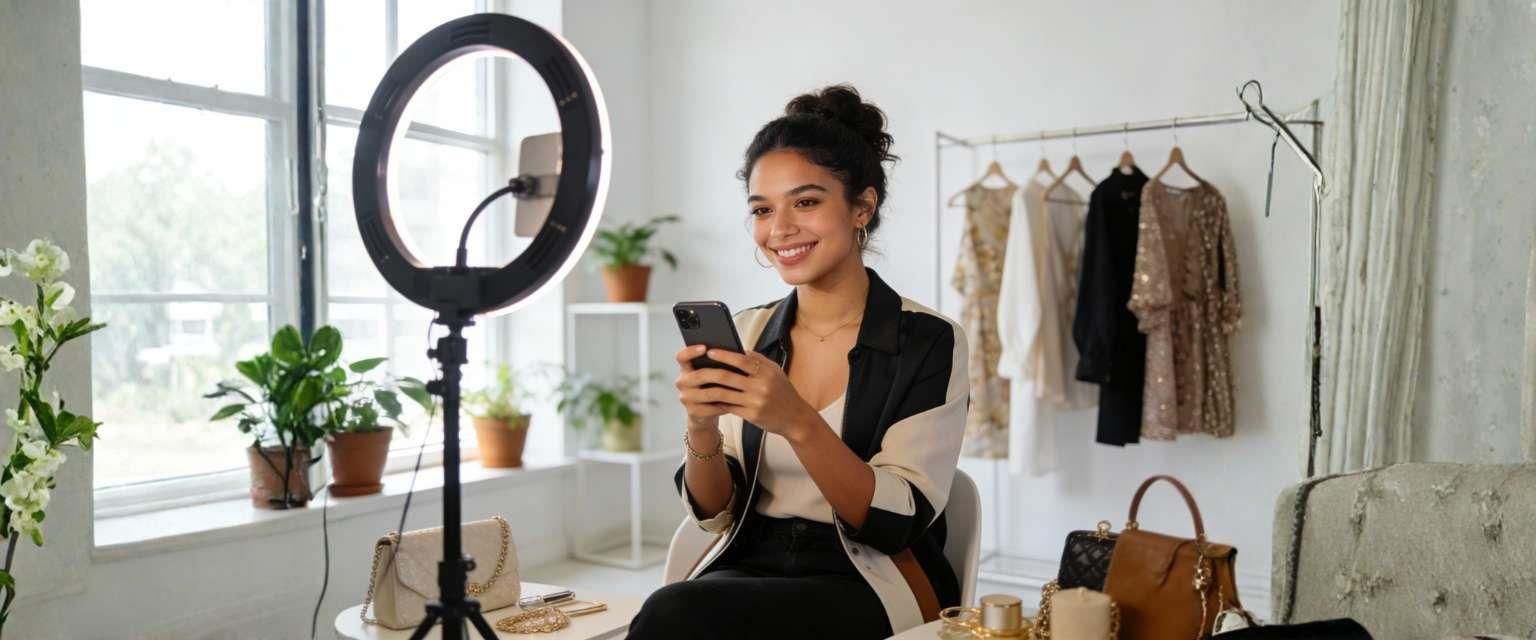
Influencer Collaboration Strategies for Fashion Brands: 10 Proven Tactics That Work
In the ever-evolving landscape of digital marketing, influencer collaborations have become the cornerstone of successful fashion brand strategies. As we look ahead to 2026 and beyond, the traditional methods of celebrity endorsements are giving way to more authentic, data-driven partnerships that deliver measurable results. This comprehensive guide explores 10 proven tactics that fashion brands can implement to create impactful influencer collaborations that drive engagement, build brand loyalty, and ultimately boost sales in an increasingly competitive marketplace.
The Evolution of Fashion Influencer Marketing
The fashion industry has undergone a remarkable transformation in how brands connect with consumers. Gone are the days when high-budget celebrity campaigns were the only path to success. Today's savvy fashion brands recognize that authentic connections, strategic partnerships, and data-driven decision-making are the keys to influencer marketing success.
According to recent industry research, 81% of consumers have researched, purchased, or considered purchasing products after seeing them promoted by friends, family, or influencers on social media. More impressively, 92% of marketers report that sponsored influencer content outperforms traditional brand content. These statistics underscore a fundamental shift in consumer behavior—people trust recommendations from individuals they relate to more than polished corporate advertising.
As we move toward 2026, the influencer marketing landscape continues to evolve at breakneck speed. Artificial intelligence is revolutionizing how brands discover and vet potential partners, micro and nano-influencers are delivering unprecedented engagement rates, and new platforms are creating innovative ways for brands to connect with audiences. Fashion brands that want to thrive must understand and implement these emerging strategies while staying true to their core values and brand identity.
1. Leverage AI-Powered Influencer Discovery and Analytics
The first step in any successful influencer collaboration is finding the right partners, and manual searching is no longer efficient or effective. One of the most significant trends reshaping influencer marketing is the adoption of AI-powered discovery and analytics platforms that can analyze vast datasets to identify ideal creator partnerships.
These sophisticated algorithms go far beyond simple follower counts, assessing audience demographics, psychographics, engagement patterns, content aesthetics, and brand value alignment. More importantly, AI-powered tools can predict campaign performance and potential ROI before you invest a single dollar, minimizing risk and maximizing efficiency.
Implementation Strategy:
Start by defining clear parameters for your ideal influencer partner. Input specific criteria such as audience location, interests, age demographics, and engagement rate benchmarks. However, don't rely solely on AI recommendations—maintain human oversight to ensure brand safety and authentic alignment. The most successful fashion brands use AI to generate a highly qualified shortlist, then conduct manual reviews to make final partnership decisions.
For fashion brands managing multiple campaigns simultaneously, comprehensive social media management services can help coordinate AI-driven influencer discovery with broader social strategy, ensuring cohesive brand messaging across all channels.
Why It Works:
In an oversaturated influencer landscape, AI cuts through the noise by providing data-driven insights that human researchers simply cannot match at scale. This approach not only saves countless hours of manual research but also significantly reduces the risk of partnering with influencers whose audiences don't align with your brand values or target demographics.
2. Prioritize Micro and Nano-Influencer Partnerships
While mega-influencers and celebrities still have their place, the real power in 2026 lies with micro-influencers (10,000-100,000 followers) and nano-influencers (1,000-10,000 followers). These creators have cultivated highly engaged, trust-based communities within specific niches, offering fashion brands authentic connections to dedicated audiences.
The numbers tell a compelling story: micro and nano-influencers consistently deliver engagement rates that are significantly higher than their celebrity counterparts. This is because they maintain personal relationships with their followers, making their recommendations feel like advice from a trusted friend rather than a paid advertisement.
Implementation Strategy:
Rather than investing your entire budget in one or two high-profile influencers, build a diverse network of 10-15 complementary micro and nano-influencers. This approach amplifies your message across multiple niche communities while maintaining authenticity. Provide these creators with clear brand guidelines but allow them creative freedom to present your products in ways that resonate with their specific audiences.
Fashion brands looking to scale this strategy should consider building long-term ambassador programs rather than one-off transactional posts. These sustained partnerships feel more genuine to audiences and allow influencers to become true advocates for your brand.
Why It Works:
Trust is the most valuable currency in fashion marketing. Consumers are increasingly skeptical of celebrities whose feeds are saturated with sponsored content, but they trust recommendations from micro-influencers who genuinely use and love the products they promote. Brands like Glossier built their empires on this principle, leveraging everyday beauty and fashion enthusiasts to generate authentic buzz at a fraction of traditional advertising costs.
3. Create Authentic User-Generated Content Campaigns
The era of overly polished, studio-produced content is giving way to something far more powerful—authentic user-generated content (UGC). Fashion brands are discovering that their most effective marketing comes from real customers sharing genuine experiences with products they love.
UGC campaigns encompass everything from unboxing videos and try-on hauls to styling tutorials and honest reviews. This content creates immense credibility because it's rooted in authentic, unscripted moments that consumers can relate to. Fashion brands like Lululemon and ASOS have mastered this approach, turning their community members into their most effective marketing assets.
Implementation Strategy:
Launch a clear, memorable hashtag campaign to aggregate user content and create a centralized hub for your UGC efforts. Make participation easy by establishing simple submission guidelines and incentivizing contributions through recognition, exclusive discounts, or featuring the best content on your official channels.
To streamline content creation at scale, fashion brands can leverage tools specifically designed for bulk content generation. Platforms like [BulkListing](https://bulklisting.fibre2fash ion.com/) help online sellers and brands create high-volume content efficiently, which can complement your UGC campaigns by ensuring consistent product presentation across multiple channels.
Always secure proper content rights and usage permissions upfront—this protects both your brand and the content creators who contribute to your campaigns.
Why It Works:
In a marketplace flooded with sponsored posts, UGC provides an unfiltered look at products in real-world situations. This peer-to-peer validation is often more persuasive than any polished advertising campaign because it feels genuine and relatable. When potential customers see real people with body types, skin tones, and lifestyles like their own wearing and loving your products, it dramatically reduces purchase hesitation.
4. Align with Influencers Who Share Your Brand Values
Beyond metrics and reach, the most resonant partnerships in 2026 will be built on shared principles. Fashion brands must move beyond one-off "cause marketing" campaigns and demonstrate consistent, long-term commitment to the values they publicly support—whether that's sustainability, ethical manufacturing, diversity, or social justice.
Consumers, particularly Gen Z and Alpha generations, are incredibly discerning when it comes to brand authenticity. They can quickly spot opportunistic or performative activism, and misalignment between a brand's stated values and its influencer partnerships can cause significant reputational damage.
Implementation Strategy:
Before reaching out to potential partners, conduct thorough values audits. Review their past content, previous brand collaborations, and public statements to ensure consistency and long-term commitment to principles that align with your brand. Look beyond what influencers say and examine what they do.
Prioritize building long-term relationships rather than transactional one-off posts. This demonstrates genuine commitment to both the creator and the values you share. Empower influencers with creative freedom to communicate your shared values in their authentic voice—scripted content rarely resonates with audiences.
Fashion brands managing comprehensive influencer marketing campaigns benefit from professional vetting services that ensure value alignment and protect brand reputation from the outset.
Why It Works:
In an age of conscious consumerism, brand loyalty is earned through trust and shared identity. Partnering with creators who authentically embody your brand's stance on important issues creates powerful, credible narratives that traditional advertising simply cannot achieve. When done right, these partnerships transform influencers into genuine brand ambassadors who advocate for your company because they believe in what you stand for, not just because they're being paid.
5. Integrate Live Shopping and Real-Time Commerce
The fusion of entertainment and e-commerce is creating powerful new sales channels for fashion brands. Live shopping—where influencers host real-time interactive broadcasts on platforms like TikTok Shop, Instagram Live, and Amazon Live—is revolutionizing how consumers discover and purchase fashion products.
During these live sessions, viewers watch product demonstrations, ask questions, and make purchases directly within the stream without ever leaving the platform. This creates a seamless "shoptainment" experience that combines the urgency of limited time offers with the trust of influencer recommendations.
Implementation Strategy:
Partner with influencers who are charismatic, camera-comfortable, and have proven track records hosting live content. Structure your broadcasts with a 70/30 split—70% valuable entertainment and connection, 30% selling. This ratio keeps viewers engaged while still driving conversions.
Create exclusivity by offering special discounts, limited-edition items, or unique bundles available only to live viewers. Promote your events 48-72 hours in advance across all channels to build anticipation and maximize attendance. Designate team members to monitor and respond to comments in real-time, as this interaction is crucial for building trust and answering purchase-related questions.
For fashion brands with comprehensive e-commerce operations, professional eCommerce account management services can coordinate live shopping events with inventory management, ensuring seamless customer experiences from discovery through fulfillment.
Why It Works:
Live shopping dramatically shortens the customer journey. It eliminates the friction of clicking away to websites, adding items to carts, and potentially abandoning purchases. This immediacy, combined with influencer storytelling and real-time engagement, creates a potent formula for conversions. Fashion brands hosting live tutorials consistently see massive engagement spikes and sales increases by showing products in action and addressing customer concerns instantly.
6. Diversify Your Influencer Pool for Maximum Reach
Diversity and inclusion aren't just moral imperatives—they're business necessities that generate tangible returns. Studies show that inclusive advertising generates twice the purchase intent of non-inclusive campaigns, and 59% of consumers prefer buying from brands that prioritize diversity in their marketing.
This is especially critical in fashion, where consumers want to see people who look like them—with diverse body types, skin tones, ages, abilities, and backgrounds—wearing and loving your products. Fashion brands that embrace true diversity in their influencer partnerships access broader markets while building stronger emotional connections with underserved consumer segments.
Implementation Strategy:
Ensure your influencer roster represents diverse perspectives across multiple dimensions: race, ethnicity, body type, age, gender identity, ability, and lifestyle. Remember that authentic diversity goes beyond surface-level representation—it means working with creators from genuinely different walks of life who bring unique perspectives to your campaigns.
Review your current influencer partnerships and identify gaps in representation. Actively seek out creators who can authentically speak to underrepresented communities within your target market. Brands like SKIMS have set the standard by consistently featuring diverse creators in their campaigns, making inclusivity a core part of their brand identity rather than an occasional marketing tactic.
Why It Works:
Everyone wants to see themselves represented in the brands they support. In fashion specifically, seeing how garments fit different body types, how colors appear on various skin tones, and how styles work for different lifestyles is crucial for purchase decisions. Diverse influencer pools not only expand your addressable market but also demonstrate that your brand genuinely values all customers, building loyalty that extends far beyond individual transactions.
7. Master Short-Form Video Content Across Platforms
Short-form video continues its dominance, with platforms like TikTok, Instagram Reels, and YouTube Shorts driving most of the fashion discovery among younger consumers. The key to success in 2026 isn't just creating short videos—it's mastering the algorithms that determine which content gets discovered.
Successful fashion influencer collaborations in this space leverage trending sounds, capitalize on viral formats, and create content specifically optimized for each platform's unique algorithm. The focus shifts from building follower counts to creating individual pieces of content that can reach millions through algorithmic distribution.
Implementation Strategy:
Work with influencers who understand platform-specific algorithms and have proven track records creating viral content. Content must hook viewers within the first 1-3 seconds—start with bold statements, surprising visuals, or intriguing questions that stop the scroll.
Leverage native platform features like stickers, polls, captions, and effects. Platforms often prioritize content that uses their newest features, giving your videos algorithmic advantages. Monitor trends weekly and move quickly to capitalize on rising sounds and formats before they become oversaturated.
Fashion brands managing content across multiple platforms benefit from comprehensive social media marketing services that can coordinate influencer content with owned media for maximum cross-channel impact.
Why It Works:
Short-form video algorithms have democratized reach. A micro-influencer can achieve millions of views on a single video if it aligns with algorithmic preferences, providing fashion brands with explosive, cost-effective visibility. For Gen Z and Alpha consumers specifically, short-form video is the primary discovery mechanism for new fashion brands and products—ignoring this channel means becoming invisible to tomorrow's consumers.
8. Build Long-Term Creator Collectives and Ambassador Programs
The era of transactional, one-off influencer posts is giving way to strategic, long-term partnerships. Fashion brands are building paid creator collectives and formal ambassador programs—dedicated ecosystems of pre-vetted talent who deeply understand their products, values, and audiences.
Rather than searching for new influencers for every campaign, successful brands cultivate rosters of creators who consistently produce high-quality, on-brand content. This approach streamlines collaboration, ensures brand safety, and creates more cohesive narratives across campaigns.
Implementation Strategy:
Establish clear expectations through detailed agreements outlining content requirements, performance metrics, compensation structures, and usage rights. Balance creative briefs with freedom—provide campaign goals and guidelines while allowing your collective to interpret messages in their authentic voices.
Treat creators like true partners, not vendors. Offer exclusive product access, behind-the-scenes insights, and public recognition to foster loyalty and motivation. Negotiate 6–12-month contracts that secure consistent content flow throughout key fashion seasons while often achieving better rates than individual campaigns.
For brands managing multiple creator relationships simultaneously, project management tools like TaskFlow help coordinate communications, track deliverables, and manage complex campaign timelines efficiently.
Why It Works:
The creator economy is maturing, and top-tier influencers increasingly seek stability over single-post transactions. Brand collectives offer this security while giving fashion companies predictable, scalable content generation. These relationships transform partnerships from simple transactions to strategic alliances, creating brand advocates who are genuinely invested in your success. Fashion powerhouses like Sephora have demonstrated the power of this approach through programs like Sephora Squad, which consistently drives engagement and sales.
9. Implement Performance-Based Compensation Models
The influencer marketing industry is shifting from flat-fee payments to performance-based compensation models where creators earn based on tangible results they generate—sales, clicks, sign-ups, or other conversion metrics. This transformation aligns creator incentives directly with brand objectives, creating true partnerships where both parties share risks and rewards.
Performance-based models, popularized by affiliate programs like Amazon Associates and platform-specific affiliate networks, emphasize accountability and transparent ROI measurement. They reward high-performing influencers while minimizing risk for brands uncertain about campaign outcomes.
Implementation Strategy:
Establish clear, fair terms defining what constitutes successful conversions and set competitive commission rates (typically 10-25% for fashion products). Consider hybrid models with smaller base fees plus performance bonuses to attract top talent while maintaining performance incentives.
Provide influencers with unique tracking links or promo codes and give them access to real-time performance dashboards. This transparency builds trust and motivates continued effort. Equip creators with high-quality marketing materials, detailed product information, and key messaging points to help them craft compelling, conversion-optimized content.
Fashion brands implementing affiliate strategies can leverage tools designed for online sellers, including free resources like Quizillians, which helps educate sellers about performance marketing while building community engagement.
Why It Works:
Performance-based models de-risk influencer investments by ensuring brands pay for actual results rather than hoping for returns. This approach empowers confident, high-performing influencers who can earn significantly more than flat fees while weeding out creators with impressive follower counts but low actual influence. The result is a more meritocratic ecosystem where success is measured by conversions, not vanity metrics.
10. Create Memorable In-Person Experiences
While digital influence dominates modern marketing, in-person experiences create uniquely powerful connections. Fashion brands are increasingly hosting influencer trips, exclusive events, gifting suites, and pop-up experiences that extend influence beyond screens into real-world interactions.
These memorable experiences serve multiple purposes: they generate massive amounts of branded content, boost brand awareness through event coverage, and deepen relationships with key influencers. With consumers increasingly craving authentic human connections amid digital overload, in-person activations offer differentiation that purely digital campaigns cannot match.
Implementation Strategy:
Plan experiences that are genuinely memorable and Instagram-worthy. Create multiple photo opportunities and branded activations that make content creation effortless for attending influencers. Ensure experiences align with your brand values—luxury brands should host premium experiences, while sustainable fashion brands might organize eco-conscious retreats.
Document events thoroughly to extend their impact beyond attendees. Repurpose influencer-generated event content across your owned channels, paid advertising, and future influencer outreach. Use event attendance as relationship-building opportunities—personal connections formed during these experiences often lead to more authentic long-term partnerships.
For fashion brands looking to maximize the impact of influencer-generated content from events and campaigns, comprehensive website development and maintenance services can ensure your site effectively showcases this valuable content, creating socially-optimized web experiences that drive conversions.
Why It Works:
Exclusive experiences make influencers feel valued beyond transactional relationships. The excitement, luxury, and memorable moments associated with brand events create genuine enthusiasm that translates into more authentic content. When influencers truly love an experience, their audiences feel that energy, resulting in higher engagement and more meaningful brand connections than typical sponsored posts can achieve.


