



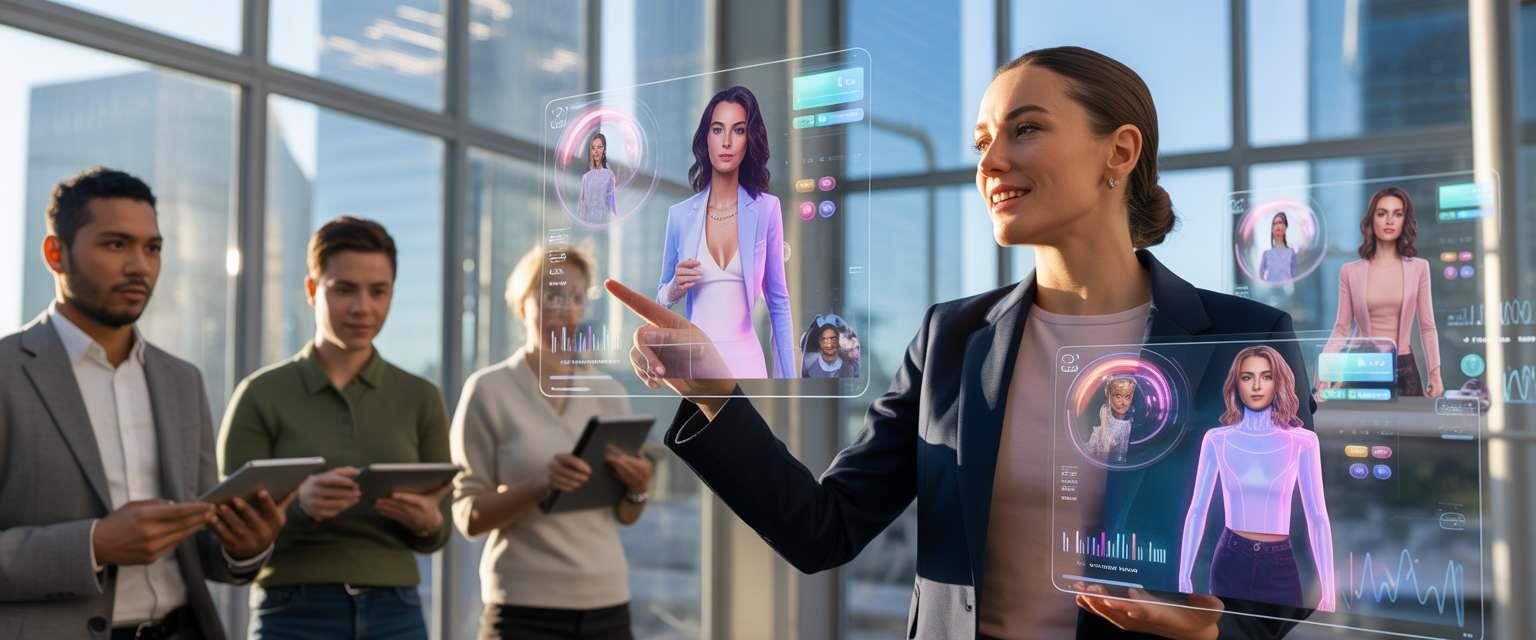
How Virtual AI Influencers Are Reshaping Influencer Marketing Strategies in 2025
The influencer marketing landscape is undergoing a revolutionary transformation as virtual AI influencers emerge as powerful brand ambassadors. In 2025, these computer-generated personalities are no longer science fiction—they're commanding million-dollar brand partnerships, engaging millions of followers, and challenging traditional marketing strategies. This comprehensive guide explores how virtual AI influencers are reshaping the influencer marketing ecosystem, the opportunities they present for brands, and what the future holds for this rapidly evolving digital phenomenon.
The Rise of Virtual AI Influencers: A New Era in Digital Marketing
The influencer marketing industry has reached a significant milestone in 2025, with the global market projected to hit $32.55 billion, representing an impressive compound annual growth rate (CAGR) of 33.11% since 2014. Within this explosive growth, a fascinating trend has emerged—virtual AI influencers are capturing the attention of major brands and millions of followers worldwide.
Virtual AI influencers are computer-generated characters designed using advanced CGI, artificial intelligence, and machine learning technologies. Unlike human influencers, these digital personas can be perfectly controlled, are available 24/7, and never experience fatigue, controversy, or personal crises. Leading examples include Lil Miquela, who reportedly earns $10 million annually from brand partnerships, Noonoouri with her collaborations with luxury fashion brands, and Aitana Lopez, Spain's top virtual influencer.
According to recent data, 40% of Gen Z consumers now follow at least one virtual influencer on social media, and 58% of Americans were following virtual influencers as of early 2025. This demographic shift signals a fundamental change in how audiences perceive authenticity and engagement in the digital age.
Why Brands Are Embracing Virtual Influencers
1. Unparalleled Control and Brand Safety
One of the most compelling advantages of virtual AI influencers is the level of control they offer brands. Unlike human influencers who may post controversial content or become embroiled in scandals, virtual influencers are entirely managed by their creators. Brands can ensure that messaging remains consistent, on-brand, and free from the unpredictable human element that has caused numerous marketing disasters.
For businesses looking to maintain tight control over their social media marketing campaigns, virtual influencers provide an unprecedented level of security. This controlled environment allows for more strategic performance marketing approaches where every post, comment, and interaction can be optimized for maximum impact.
2. Cost-Effectiveness Over Time
While creating a virtual influencer requires significant upfront investment in CGI technology, 3D modeling, and AI programming, the long-term ROI can be substantial. Virtual influencer campaigns offer an average ROI of 13.7%, slightly exceeding the 12.3% ROI of traditional human influencer campaigns, according to industry research.
Virtual influencers don't require travel expenses, makeup artists, stylists, or accommodations. They can appear in multiple locations simultaneously, participate in unlimited campaigns, and maintain consistent availability. Interestingly, virtual influencer Lu do Magalu from Brazil earned over $2.5 million in 2024—nearly 40 times more than the average human influencer, demonstrating the financial viability of this approach.
3. Enhanced Engagement Metrics
Perhaps the most surprising finding from recent studies is that virtual influencers are outperforming their human counterparts in engagement. Virtual influencers pull an average engagement rate of 5.9%—three times higher than human influencers who average around 1.9%. This dramatic difference suggests that audiences are genuinely connecting with these digital personalities, finding their content compelling and shareable.
This higher engagement rate translates directly to better campaign performance, making virtual influencers an attractive option for brands focused on eCommerce and marketplace account management where conversion rates are critical metrics.
How AI Technology Powers Virtual Influencers
The technological backbone of virtual influencers has evolved dramatically. In 2025, 60.2% of marketers report actively using AI for influencer identification and campaign optimization. The integration of several key technologies makes virtual influencers possible:
Natural Language Processing (NLP)
Advanced NLP algorithms enable virtual influencers to engage in seemingly authentic conversations with followers, respond to comments, and create compelling captions that resonate with target audiences. This technology, used by 20.4% of influencer marketing professionals, allows virtual personalities to maintain consistent voice and tone across platforms.
Machine Learning and Predictive Analytics
Machine learning systems analyze audience behavior, content performance, and engagement patterns to optimize posting schedules, content themes, and messaging strategies. 16.9% of marketers leverage machine learning in their influencer campaigns, enabling data-driven decisions that improve campaign outcomes.
Advanced CGI and Deepfake Technology
The visual realism of virtual influencers has reached extraordinary levels. Modern CGI techniques create hyper-realistic faces, expressions, and movements that are often indistinguishable from real humans. 15.4% of marketers now use deepfake and advanced visual technologies to create compelling content.
For businesses exploring website development and maintenance services or looking to integrate virtual influencers into their digital presence, understanding these underlying technologies is crucial for making informed strategic decisions.
Strategic Implementation: How Brands Are Leveraging Virtual Influencers
Fashion and Luxury Brands Leading the Way
The fashion industry has been at the forefront of virtual influencer adoption. Brands like Prada, Calvin Klein, Dior, and Balmain have all partnered with virtual influencers for high-profile campaigns. These collaborations allow fashion brands to present products in innovative, fantastical settings that would be impossible or prohibitively expensive with human models.
Noonoouri, a virtual fashion influencer with a distinctive anime-inspired aesthetic, has become a favorite among luxury brands seeking to connect with younger, digitally native audiences. Her collaborations demonstrate how virtual influencers can embody brand values while maintaining creative flexibility.
Entertainment and Gaming Integration
Virtual influencers are natural fits for entertainment and gaming brands. They can seamlessly exist within virtual worlds, participate in live-streamed gaming sessions, and engage with audiences in metaverse environments. As brands explore integration with Web3 and metaverse platforms, virtual influencers provide a bridge between traditional social media and emerging digital spaces.
Beauty and Cosmetics Innovation
Beauty brands utilize virtual influencers to demonstrate products through augmented reality filters, virtual try-on experiences, and impossibly perfect makeup applications. This approach combines influencer marketing with cutting-edge technology, creating engaging content that educates consumers while showcasing products.
The Challenges and Controversies
Despite their growing popularity, virtual AI influencers face significant challenges that brands must navigate carefully:
Authenticity and Trust Concerns
The fundamental challenge facing virtual influencers is the authenticity paradox. While they generate high engagement, broader consumer trust remains low—only 15% of consumers report highly trusting AI endorsements. Research indicates that humans still generate about 2.7 times more engagement than AI personas in certain contexts, and human influencer sponsored posts earn an average of $78,777 per campaign compared to just $1,694 for AI influencers.
Critics argue that virtual influencers lack genuine lived experiences, emotional resonance, and the human connection that makes traditional influencer marketing effective. This "uncanny valley" effect can alienate audiences who value authenticity and real human experiences.
Transparency and Disclosure
Ethical concerns around disclosure have prompted discussions about whether brands should clearly identify virtual influencers as AI-created entities. The establishment of trust remains a significant challenge, with many consumers feeling deceived when they discover an influencer they followed is computer-generated rather than human.
Progressive brands address this by being transparent about their virtual influencers' artificial nature while crafting compelling backstories and personalities that audiences can still connect with emotionally.
Technical Limitations and Consistency
Creating consistently realistic AI content remains challenging. Common issues include facial inconsistencies across images, unnatural movements in videos, and the substantial technical expertise required to maintain quality standards. Brands must invest in skilled teams of 3D artists, programmers, and creative directors to manage virtual influencers effectively.
Tools that assist with content creation and campaign management, such as TaskFlow for project coordination and Bulk Listing for content generation at scale, can help marketing teams navigate these complexities more efficiently.
The Hybrid Future: Balancing Virtual and Human Influencers
Industry experts increasingly advocate for a hybrid approach that combines the strengths of both virtual and human influencers. This balanced strategy allows brands to:
- Leverage virtual influencers for controlled scalable campaigns with consistent messaging
- Partner with human influencers for authentic storytelling, emotional connection, and lived experiences
- Create collaborative content where virtual and human influencers work together, capitalizing on the novelty of cross-reality partnerships
This approach addresses the trust gap while maintaining the efficiency and control benefits that virtual influencers provide. Brands that successfully implement hybrid strategies report higher overall campaign performance and more positive audience sentiment.
Future Trends: What's Next for Virtual Influencers in 2026 and Beyond
Metaverse Integration and Web3 Expansion
The virtual influencer market is expected to explode from $7.97 billion in 2025 to $224.03 billion by 2035, growing at a CAGR exceeding 39.6%. This unprecedented growth will be driven largely by metaverse integration and Web3 technologies.
Virtual influencers are uniquely positioned to operate in virtual worlds, blockchain-enabled platforms, and immersive digital experiences. As the metaverse expands, expect virtual influencers to host virtual events, own digital real estate, and engage audiences in fully immersive 3D environments.
Advanced Personalization Through AI
Future virtual influencers will leverage advanced data analytics and machine learning to deliver hyper-personalized content. They'll tailor messages, product recommendations, and engagement strategies to individual user preferences and behaviors with unprecedented precision.
According to industry predictions, 73.4% of marketers believe that influencer marketing can be largely automated by AI, enabling campaigns that adapt in real-time to audience responses and market conditions.
Interactive AI Avatars and Two-Way Communication
The next generation of virtual influencers will feature more sophisticated conversational AI, enabling genuine two-way communication with followers. These advanced avatars will respond to questions, provide personalized advice, and build deeper relationships with audience members.
Diversity and Representation Innovation
Virtual influencers offer unique opportunities to address diversity and representation in influencer marketing. Creators can design virtual personalities that represent underserved communities, body types, and cultural backgrounds, potentially expanding the inclusivity of influencer marketing in ways that have been challenging with human influencers alone.
Practical Steps for Brands Considering Virtual Influencers
For businesses exploring virtual influencer strategies, consider these actionable steps:
1. Define Clear Objectives and KPIs
Establish specific goals for your virtual influencer campaigns. Are you seeking brand awareness, engagement, conversions, or market differentiation? Set measurable KPIs that align with broader marketing objectives.
2. Assess Technical Capabilities and Resources
Virtual influencer creation requires specialized skills. Evaluate whether to build in-house capabilities, partner with specialized agencies, or utilize existing virtual influencers for collaborations. Services like website development and maintenance teams can help integrate virtual influencer content into your digital ecosystem.
3. Prioritize Transparency and Authenticity
Be upfront about your virtual influencer's artificial nature. Craft compelling narratives and personalities that audiences can connect with while maintaining ethical transparency.
4. Start with Pilot Campaigns
Begin with limited-scope campaigns to test audience response, refine content strategies, and optimize technical processes before committing to large-scale implementations.
5. Leverage Existing Tools and Platforms
Utilize available resources to streamline your campaigns. Explore free digital marketing tools that can assist with content planning, performance tracking, and campaign analytics. For teams managing multiple campaigns, TaskFlow provides project management capabilities that keep complex influencer strategies organized.
6. Monitor Performance and Adapt
Continuously track campaign metrics, audience sentiment, and engagement patterns. Virtual influencer strategies should evolve based on data insights and changing market conditions.
The Role of Full-Service Digital Marketing Partners
As influencer marketing becomes increasingly complex with the addition of virtual personalities, AI technologies, and metaverse integration, many brands benefit from partnering with experienced digital marketing agencies that offer comprehensive services.
Full-service partners can provide:
- Strategic consultation on virtual vs. human influencer selection
- Technical implementation of AI-driven campaign tools
- Content creation that blends virtual influencer collaborations with broader marketing initiatives
- Performance analytics that measure ROI across multiple channels
- Social commerce integration connecting influencer content directly to eCommerce platforms
For online sellers and brands looking to experiment with innovative marketing approaches, platforms like Quizillians offer opportunities to engage audiences through interactive content that complements influencer strategies.


