



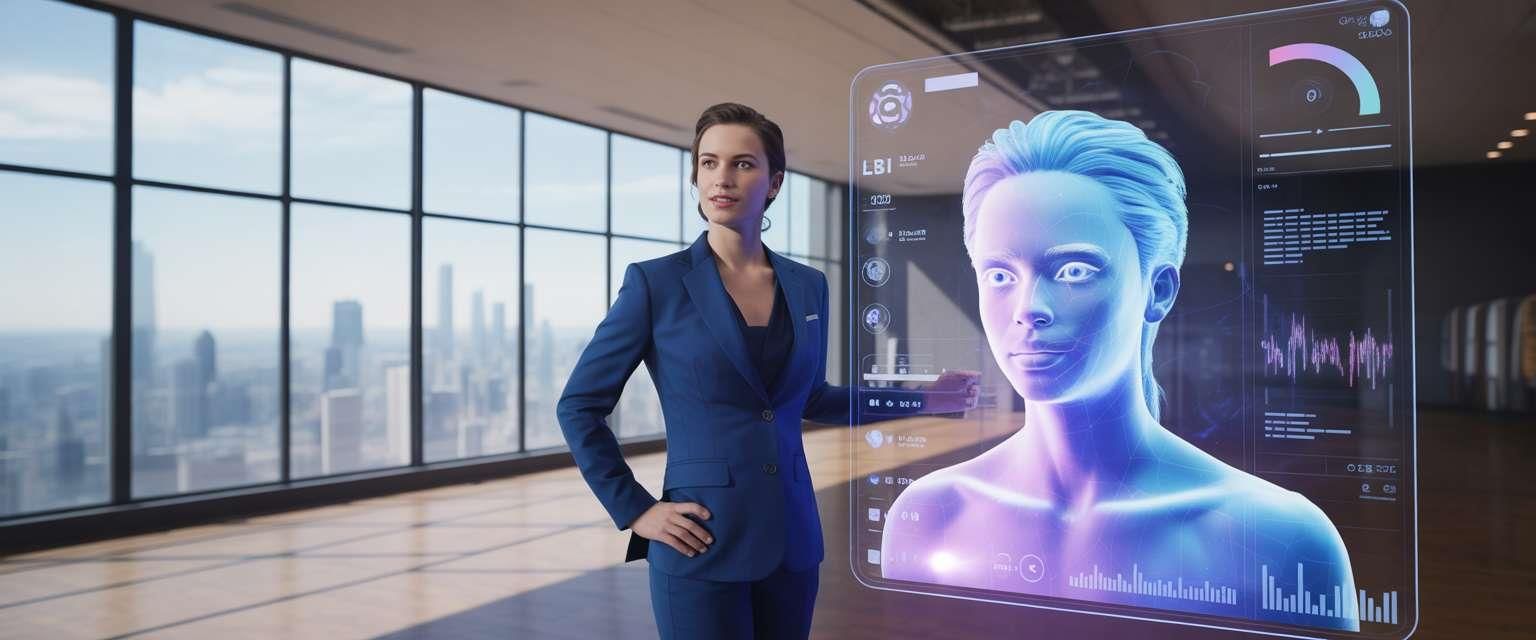
How AI-Generated Virtual Influencers Can Reduce Brand Risk and Increase Control
In an era where a single controversial tweet can erase millions in brand value overnight, businesses are seeking safer, more predictable alternatives to traditional influencer marketing. AI-generated virtual influencers are emerging as a revolutionary solution, offering brands unprecedented control over messaging, eliminating reputation risks, and delivering consistent ROI. Discover how these digital personas are reshaping the future of influencer marketing in 2025 and beyond.
The Rising Threat of Influencer-Related Brand Risks
The influencer marketing industry has exploded into a multi-billion-dollar ecosystem, with brands investing heavily in partnerships with content creators who command loyal followings. However, this strategy comes with inherent vulnerabilities that keep marketing executives awake at night. Human influencers, despite their authentic connections with audiences, bring unpredictable personal behaviors, potential scandals, and the risk of off-brand messaging that can damage carefully cultivated brand reputations in minutes.
Recent years have witnessed numerous high-profile incidents where influencer controversies led to immediate brand dissociation and significant financial losses. From inappropriate social media posts to legal troubles and public disputes, the risks associated with human brand ambassadors are substantial and often unforeseeable. According to Northeastern University research, brands are increasingly concerned about reputation management in influencer partnerships, leading many to explore alternative solutions that offer greater predictability and control.
Enter AI-generated virtual influencers—computer-generated digital personas that combine the engagement potential of traditional influencers with the reliability and control of brand-owned content. These synthetic personalities are revolutionizing how companies approach influencer marketing, offering a scandal-proof alternative that never sleeps, never contradicts brand values, and never requires reputation management.
What Is AI-Generated Virtual Influencers?
AI-generated virtual influencers are digitally created personalities built using advanced technologies including computer-generated imagery (CGI), artificial intelligence, and motion capture. Unlike traditional influencers who are real people with authentic lives, virtual influencers exist entirely in the digital realm, yet they maintain social media presence, engage with followers, collaborate with brands, and generate content just like their human counterparts.
According to Sprout Social's analysis, these digital personalities have evolved dramatically since early examples like Lil Miquela, who launched in 2016 and quickly amassed millions of followers. Today's virtual influencers leverage sophisticated AI algorithms to create realistic appearances, personality traits, and even conversational abilities that resonate with target audiences.
The technology behind virtual influencers has matured significantly in 2025, enabling brands to create hyper-realistic digital personalities that can be customized to perfectly align with brand identity, target demographics, and marketing objectives. These AI personas can be designed with specific facial features, body types, fashion preferences, communication styles, and even backstories that make them relatable to specific audience segments.
Seven Ways Virtual Influencers Reduce Brand Risk
1. Elimination of Scandal and Controversy Risk
The most compelling advantage of AI-generated virtual influencers is their immunity to personal scandals. Unlike human influencers who may engage in controversial behavior, express divisive political opinions, or become involved in legal troubles, virtual influencers always maintain perfect conduct. Their actions are entirely controlled by brand teams, ensuring that every post, comment, and interaction aligns with brand values and messaging guidelines.
Research from ScienceDirect indicates that brands using virtual influencers experience significantly lower reputation risk compared to those relying exclusively on human partnerships. This scandal-proof nature allows marketing teams to confidently invest in long-term campaigns without the constant anxiety of potential reputation damage.
2. Complete Message Consistency and Brand Alignment
Virtual influencers deliver unprecedented message consistency across all platforms and campaigns. Every word, image, and video is crafted to perfectly reflect brand positioning, ensuring that audiences receive uniform messaging regardless of when or where they encounter the influencer's content. This level of control is impossible with human influencers who, despite contractual obligations, maintain their own personalities, opinions, and communication styles.
For brands managing complex social media marketing strategies, this consistency translates into stronger brand recognition and more effective audience targeting. Virtual influencers can be programmed to emphasize specific product features, use predetermined language patterns, and maintain visual aesthetics that perfectly complement overall brand identity.
3. Legal Compliance and Regulatory Control
Navigating the complex landscape of advertising regulations, disclosure requirements, and compliance standards becomes significantly easier with virtual influencers. Brands can ensure that every sponsored post includes proper disclosures, meets FTC guidelines, and complies with platform-specific regulations without relying on human influencers to remember and implement these requirements correctly.
Forbes research highlights that virtual influencers reduce legal liability by providing brands with complete oversight of all content before publication. This preventive approach to compliance management minimizes the risk of regulatory violations that could result in fines, mandatory disclosures, or reputational damage.
4. Predictable Performance and ROI
Virtual influencers operate on predictable schedules with consistent output quality, enabling brands to forecast campaign performance with greater accuracy. Unlike human influencers who may experience creative blocks, health issues, or scheduling conflicts, AI-generated personas maintain reliable content production timelines and engagement patterns.
According to Zoomsphere analysis, some brands have achieved 95% cost reduction per engagement when switching from human to virtual influencers, while simultaneously experiencing higher engagement rates. This improved cost-effectiveness makes virtual influencers particularly attractive for brands seeking to maximize return on investment in their performance marketing initiatives.
5. Crisis Prevention and Reputation Protection
The proactive nature of virtual influencer management enables brands to prevent crises before they occur rather than reacting to damage after the fact. Every piece of content undergoes review and approval before publication, eliminating the possibility of inappropriate posts, accidental brand misrepresentation, or tone-deaf messaging that often triggers public relations disasters.
This crisis prevention capability is particularly valuable for brands operating in sensitive industries or targeting diverse global audiences where cultural missteps can have severe consequences. Virtual influencers can be programmed with cultural sensitivity parameters and industry-specific compliance requirements that ensure appropriate messaging across all markets.
6. Intellectual Property Protection
Unlike partnerships with human influencers where content ownership and usage rights can become complex legal issues, brands maintain complete intellectual property rights over virtual influencer content. This ownership includes the influencer's likeness, personality, content output, and all associated creative materials, providing long-term value that extends beyond individual campaigns.
The ability to own and control virtual influencer intellectual property enables brands to leverage these assets across multiple channels, repurpose content for different markets, and build long-term brand equity without ongoing licensing negotiations or royalty payments that characterize human influencer relationships.
7. Global Scalability Without Logistical Constraints
Virtual influencers transcend geographical boundaries, enabling brands to maintain consistent presence across multiple markets without the logistical complications of human influencer travel, time zones, or availability constraints. A single virtual influencer can simultaneously engage audiences in different countries, speak multiple languages, and adapt content for regional preferences—all without the physical limitations that restrict human influencers.
This scalability is particularly advantageous for brands with e-commerce operations across multiple markets, enabling synchronized campaign launches and consistent brand messaging regardless of geographical distribution.
Increasing Brand Control Through Virtual Influencer Technology
Beyond risk reduction, AI-generated virtual influencers provide brands with unprecedented control over every aspect of influencer marketing campaigns. This control extends across multiple dimensions that fundamentally transform how companies approach digital marketing strategies.
Creative Direction and Content Customization: Virtual influencers can be designed and redesigned to match evolving brand aesthetics, seasonal campaigns, or product launches. Their appearance, clothing, accessories, and even personality traits can be modified to optimize audience appeal without the limitations of human physiology or personal preferences.
Performance Optimization Through Data Analytics: Every interaction with virtual influencers generates valuable data that can be analyzed to optimize content strategy, posting schedules, and engagement tactics. Brands can conduct A/B testing with different virtual influencer personas, messaging approaches, and visual styles to identify the most effective combinations for specific audience segments.
Budget Predictability and Cost Management: Unlike human influencer partnerships that often involve complex negotiations, performance bonuses, and unpredictable expenses, virtual influencer campaigns operate on fixed budgets with transparent cost structures. This financial predictability enables more accurate campaign planning and resource allocation across digital marketing initiatives.
24/7 Availability and Instant Response Capability: Virtual influencers can maintain constant social media presence, responding to followers, engaging with content, and participating in conversations around the clock. This always-on availability creates stronger audience connections and enables real-time campaign adjustments based on emerging trends or market conditions.
Real-World Success Stories and Industry Adoption
The practical benefits of virtual influencers are evidenced by growing adoption across industries. Fashion brands have been particularly enthusiastic adopters, with virtual personalities like Lil Miquela partnering with luxury brands including Prada and Calvin Klein. The technology sector has embraced virtual brand ambassadors to demonstrate innovation and appeal to tech-savvy audiences.
According to Metricool research, virtual influencers in 2025 are generating engagement rates that rival or exceed traditional influencers, with some digital personalities achieving millions of followers and substantial brand partnership portfolios. The cosmetics industry has leveraged virtual influencers to showcase products in diverse scenarios without the constraints of physical photoshoots or model availability.
For e-commerce brands, virtual influencers offer unique advantages in product demonstration and content creation. Tools like BulkListing are helping online sellers generate comprehensive product content that can be seamlessly integrated with virtual influencer campaigns, creating cohesive brand experiences across marketplace platforms.
Integrating Virtual Influencers into Comprehensive Marketing Strategies
While virtual influencers offer compelling advantages, they achieve maximum impact when integrated into broader marketing ecosystems rather than deployed in isolation. Successful implementation requires strategic planning, audience analysis, and coordination with existing marketing channels.
Multi-Channel Campaign Coordination: Virtual influencers work most effectively when their content is synchronized with other marketing efforts including email campaigns, paid advertising, and organic social media management. Professional social media management services can orchestrate these complex campaigns to ensure consistent messaging across all touchpoints.
Human and Virtual Influencer Collaboration: Rather than completely replacing human influencers, many brands are finding success through hybrid strategies that combine both approaches. Virtual influencers can handle brand-controlled messaging and risk-sensitive content while human influencers provide authentic testimonials and emotional connections that resonate with audiences seeking genuine experiences.
Content Production and Management Infrastructure: Effective virtual influencer campaigns require robust content creation workflows, approval processes, and distribution systems. Tools like TaskFlow enable marketing teams to manage complex virtual influencer content calendars, coordinate cross-functional approvals, and track campaign performance across multiple platforms.
Performance Measurement and Optimization: Like all marketing initiatives, virtual influencer campaigns require continuous monitoring, analysis, and refinement. Establishing clear KPIs, implementing tracking systems, and conducting regular performance reviews ensure that virtual influencer investments deliver intended results and provide actionable insights for future campaigns.
Overcoming Challenges and Authenticity Concerns
Despite their advantages, virtual influencers face challenges that brands must address to maximize effectiveness. The primary concern centers on authenticity—audiences may perceive virtual influencers as inauthentic or deceptive if not properly positioned and disclosed.
Transparency about virtual influencer nature is essential for maintaining audience trust. The Federal Trade Commission requires clear disclosure of virtual influencers' artificial nature, and brands that openly acknowledge their digital ambassadors while highlighting the creative and technological innovation they represent tend to build stronger audience connections.
Some audiences, particularly older demographics or those preferring traditional advertising approaches, may respond more favorably to human influencers who offer genuine life experiences and emotional authenticity. Understanding target audience preferences and selecting appropriate influencer strategies—whether human, virtual, or hybrid—ensures marketing resources are deployed effectively.
The uncanny valley effect, where almost-but-not-quite-human appearances create discomfort, can undermine virtual influencer effectiveness if not carefully managed through design choices and personality development. Investing in high-quality CGI, natural movement patterns, and relatable personality traits helps virtual influencers achieve audience acceptance and engagement.
The Future of Virtual Influencers in 2026 and Beyond
As we look toward 2026 and the coming years, virtual influencer technology continues advancing at remarkable pace. Artificial intelligence improvements are enabling more sophisticated conversational abilities, allowing virtual influencers to engage in real-time interactions with followers that feel increasingly natural and personalized.
Integration with emerging technologies including virtual reality, augmented reality, and the metaverse promises to expand virtual influencer applications beyond traditional social media platforms. Brands will be able to deploy virtual ambassadors in immersive digital environments where they can interact with consumers in three-dimensional spaces, host virtual events, and create experiences impossible with human influencers.
The convergence of virtual influencers with generative AI content creation tools will enable unprecedented personalization, with virtual influencers potentially creating customized content for individual audience members based on their preferences, behaviors, and interaction history. This hyper-personalization could revolutionize how brands approach customer engagement and relationship building.
For businesses preparing for this future, developing expertise in virtual influencer strategy, content creation, and campaign management represents a significant competitive advantage. Whether through website development that supports virtual influencer content integration or influencer marketing strategies that blend human and virtual approaches, forward-thinking brands are positioning themselves to capitalize on this transformative technology.


